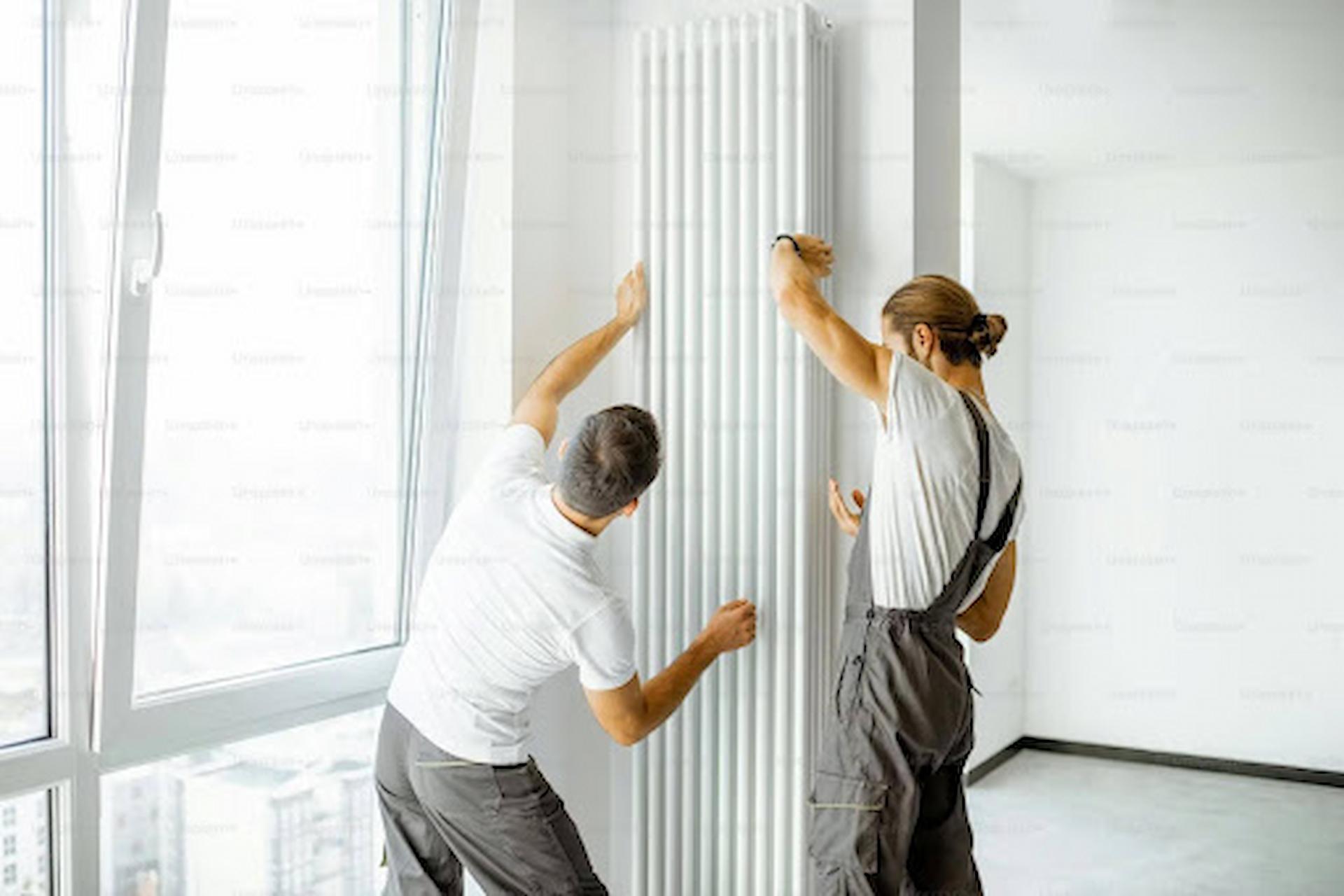
Heating performance is shaped by where warmth enters a room, not only by the system behind it. Thoughtful radiator placement can reduce cold spots, improve comfort, and limit wasted energy. With careful positioning and sensible adjustments, homes can feel warmer while keeping heating costs firmly under control.
When households start exploring cheap upgrades to radiators, the focus often turns to valves, controls, or even replacement units. Placement, however, plays an equally important role. A well-positioned radiator distributes heat evenly, supports natural airflow, and reduces strain on the boiler. On a budget, optimising location can deliver noticeable efficiency gains without major spending.
Why Radiator Placement Influences Heating Efficiency
Radiators work by releasing heat into the air, which then circulates around the room. If that heat is trapped, blocked, or unevenly dispersed, the system must work harder to achieve the same temperature.
Poor placement can lead to warm ceilings and cold floors, draughty corners, or rooms that never quite feel comfortable. Correct positioning supports natural convection, allowing warm air to rise and circulate properly. Over time, this balanced distribution can reduce heating demand and stabilise indoor temperatures.
Common Placement Mistakes That Waste Heat
Hidden or Obstructed Radiators
Radiators placed behind large furniture, thick curtains, or decorative covers struggle to release heat efficiently. Airflow becomes restricted, and warmth is absorbed before it reaches the room.
Isolated or Corner Locations
Installing radiators in tight corners or far from cold surfaces often creates uneven heating. Warm areas sit near the radiator, while distant zones remain cool, prompting longer heating cycles.
Height and Clearance Issues
Radiators mounted too low or boxed in tightly may limit air circulation. Adequate clearance above and below the unit allows warm air to rise and cooler air to be drawn in.
Positioning Radiators Near Cold Spots
Placing radiators under windows or along external walls has long been standard practice. These locations counteract heat loss where cold air is most likely to enter the room.
Rather than allowing chilly air to spread inward, the radiator warms it immediately. This reduces draughts and helps maintain a consistent temperature. For budget-conscious households, retaining or restoring this traditional placement can improve comfort without investing in new equipment.
Balancing Room Layout and Heat Flow
Radiators do not work in isolation. Their effectiveness is closely linked to how a room is used and arranged. Furniture placement, walkways, and open areas all influence how well heat spreads and how evenly temperatures are maintained.
Furniture Planning and Heat Distribution
Room layout should complement radiator positioning. Seating areas, desks, or beds benefit from even heat rather than direct blasts of warmth.
Ensuring clear space around the radiator allows heat to travel freely. Even small adjustments, such as moving furniture a few inches away, can improve circulation and reduce cold pockets.
Open Plan Considerations
In open-plan spaces, a single radiator may struggle to serve multiple zones. Strategic placement near natural airflow paths supports wider distribution and prevents one area overheating while another remains cool.
Budget-Friendly Adjustments That Improve Performance
Not every efficiency improvement requires new equipment or structural changes. Small placement-related adjustments can enhance radiator performance and reduce wasted heat, making them especially valuable for households working within tight budgets.
Midway through heating improvements, homeowners often revisit cheap upgrades to radiators as part of a broader efficiency plan. Many placement-related improvements involve little more than repositioning or small accessories.
Simple options include:
- Reflective panels behind radiators to direct heat back into the room rather than into external walls
- Adjustable brackets to improve clearance and airflow
- Thermostatic radiator valves (TRVs) to regulate output room by room
- Bleeding radiators to remove trapped air that limits heat transfer
These measures enhance the impact of good placement without adding significant cost.
Understanding Heat Circulation Without Technical Complexity
Radiators rely on convection, where warm air rises and cooler air falls. This cycle continues until the room reaches its target temperature.
Obstructed radiators interrupt this process. Warm air becomes trapped, reducing circulation and forcing the heating system to run longer. By contrast, clear placement supports steady airflow, meaning rooms warm faster and maintain heat more efficiently.
Understanding this principle helps guide decisions about where radiators should sit and how surrounding space should be managed.
Practical Tips for Improving Radiator Placement on a Budget
Small changes can add up to meaningful improvements in comfort and efficiency:
- Keep curtains and furniture clear of radiators during heating hours
- Check that radiators are level to support even heat output
- Avoid boxing radiators in unless airflow gaps are maintained
- Review placement when redecorating or rearranging rooms
- Use zoning controls to match radiator output to room use
These steps support better performance without major alterations.
When Repositioning Is Worth Considering
Moving a radiator can seem costly, but limited repositioning may be justified in persistently cold rooms. Shifting a radiator closer to a cold wall or central heat-loss area can reduce ongoing energy waste.
For budget planning, partial repositioning during other home improvements, such as redecorating or flooring changes, can help minimise labour costs while delivering long-term efficiency gains.
Conclusion
Heating efficiency is not only about equipment quality. Placement determines how effectively warmth reaches living spaces and how hard the system must work to maintain comfort. Alongside cheap upgrades to radiators, thoughtful positioning offers one of the most accessible ways to improve heating performance on a budget.
By clearing airflow, targeting cold spots, and making small, informed adjustments, households can enjoy warmer rooms, steadier temperatures, and reduced energy waste without stretching their finances.