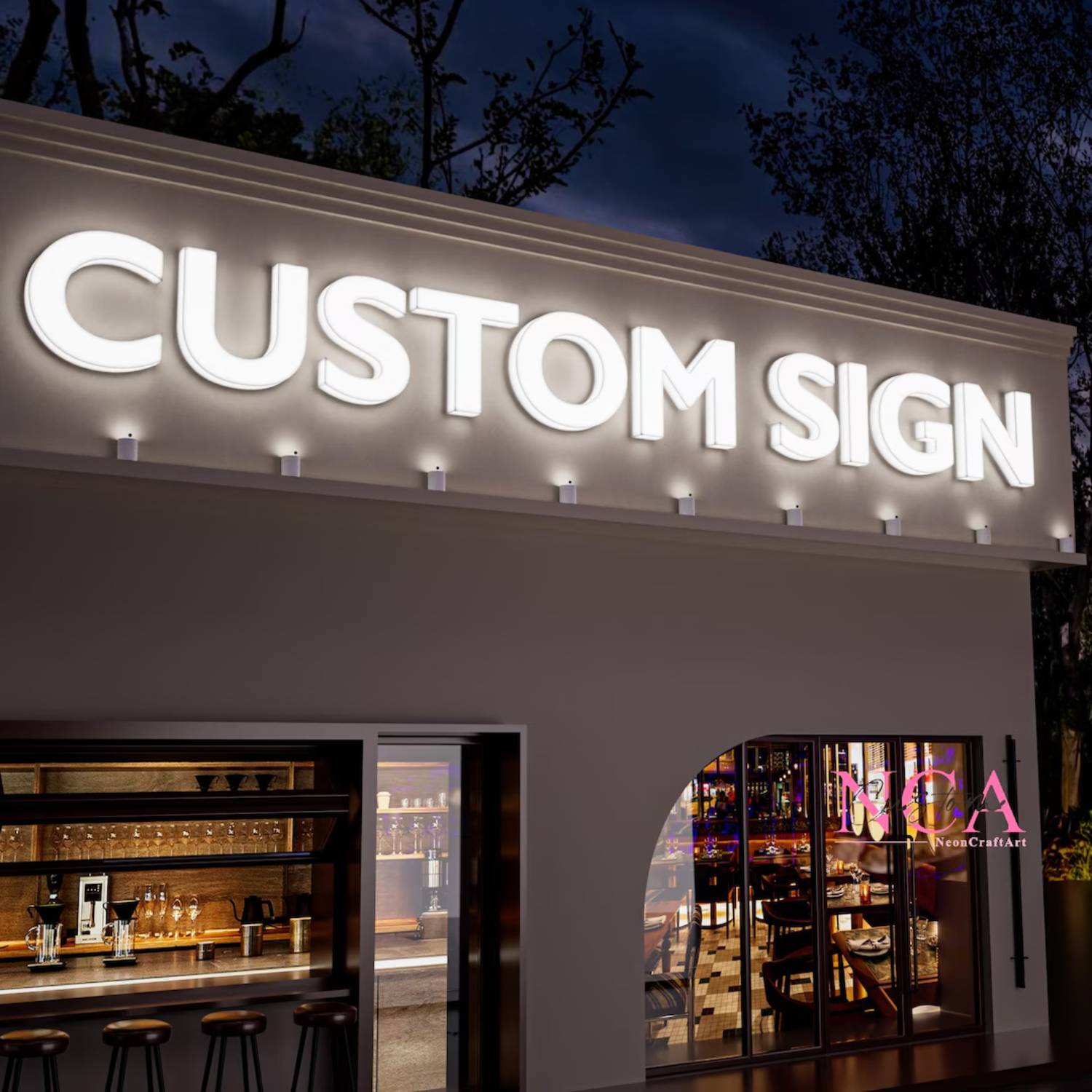
Choosing the right material is an important part of creating effective signage. Whether a sign is intended for a shop, office, reception area or outdoor building frontage, its material influences appearance, durability, readability and maintenance. A well-chosen sign should suit its surroundings, communicate information clearly and remain in good condition for its intended lifespan.
When comparing options, sign makers West London can help businesses consider the purpose of each sign, its location and the conditions it will face. Indoor signs often prioritise design, finish and ease of installation, while outdoor signs need to withstand exposure to sunlight, rain and changing temperatures. Understanding the strengths and limitations of common materials makes it easier to choose a suitable solution.
Understanding the Difference Between Indoor and Outdoor Signage
Indoor signs are generally protected from severe weather, so businesses have greater flexibility when selecting materials and finishes. Offices may need professional reception signs, directional displays or room labels, while retail spaces often use promotional graphics and branded wall signs. Weight, surface texture, lighting and the overall interior design can all influence the material choice.
Outdoor signage faces different demands. Rain, wind, sunlight, pollution and temperature changes can affect its appearance and structural condition over time. A material suitable for a sheltered entrance may not be appropriate for an exposed building frontage. Before selecting a product, consider the installation position, expected exposure, visibility requirements and maintenance needs.
Popular Materials for Indoor Signs
Acrylic and PVC
Acrylic is a popular option for indoor signs because it offers a smooth, polished appearance and is available in different colours and thicknesses. It can work well for reception displays, office branding and wall-mounted lettering. Depending on the design, acrylic can create a clean, contemporary finish, although it may scratch or crack if handled or installed incorrectly.
PVC foam board is a lightweight alternative that can be useful for promotional displays, information panels and temporary signage. It is generally easy to cut and shape, making it suitable for a range of designs. However, the required strength, surface finish and installation method should be assessed before choosing it for a particular application.
Metal and Printed Graphics
Aluminium and other suitable metals can give indoor signs a durable, professional appearance. They are often considered for office directories, identification panels and premium displays where a more solid finish is desirable. The metal grade, thickness and surface treatment affect the final result, so the material should be selected according to the sign’s design and intended use.
Printed graphics offer flexibility for wall displays, glass partitions and promotional messaging. Self-adhesive vinyl can be applied to suitable smooth surfaces, while printed boards can provide a practical option for larger displays. For workplaces and retail interiors, consider how easily graphics can be cleaned, updated or removed when branding or information changes.
Choosing Materials for Outdoor Signs
Outdoor signs need materials that suit the local environment and installation conditions. Aluminium is commonly used for sign panels because it is relatively lightweight and resistant to corrosion when the appropriate grade and finish are selected. It can support printed graphics or applied lettering and is suitable for many commercial signs, although fixings and installation quality remain important.
Other options include exterior-grade acrylic, weather-resistant boards and suitable vinyl graphics. The best choice depends on the sign’s size, exposure and intended lifespan. When consulting sign makers West London, businesses should explain whether the sign will be mounted on a building, displayed near a roadside or installed in a sheltered entrance. These details help determine which materials and finishes are appropriate.
Factors to Consider Before Making a Decision
Material selection should balance appearance, practical performance and overall cost. A low initial price may not represent the best value if a sign needs frequent replacement or maintenance. Equally, a premium material may be unnecessary for a short-term promotional display. Think about how long the sign needs to last and how important its appearance will be throughout that period.
Before confirming an order, assess the following factors:
- Weather exposure: Consider sunlight, rainfall, wind and temperature changes.
- Visibility: Choose colours, finishes and lettering that remain easy to read at the intended viewing distance.
- Installation: Check the mounting surface, sign weight, fixings and access requirements.
- Maintenance: Establish how the sign should be cleaned and whether its graphics can be replaced.
- Budget: Compare the full cost of production, installation and likely upkeep.
These considerations help businesses avoid selecting materials based on appearance alone. They also make it easier to explain requirements clearly when requesting quotations from sign suppliers.
Getting the Best Results from Your Signage
A suitable material cannot compensate for poor design or installation. Lettering should be legible, colours should provide sufficient contrast, and the amount of information should match the sign’s purpose. A reception sign may focus on branding, whereas a directional sign needs to communicate information quickly. Material and design decisions should therefore be made together.
It is also worth considering the surface on which the sign will be installed. Uneven walls, glass, brickwork and exterior cladding can require different fixing methods or preparation. Ask the sign supplier about material suitability, finish options, installation requirements and expected maintenance. Clear advice at the planning stage can help prevent avoidable problems later.
Conclusion
Choosing the best materials for indoor and outdoor signs involves more than selecting an attractive finish. Acrylic, PVC, metal and printed graphics each offer different benefits, while outdoor applications require particular attention to weather resistance, fixings and durability. The intended location, viewing distance and expected lifespan should guide the decision.
Before ordering signage, compare material options against your practical requirements and budget. Discuss the installation environment, maintenance needs and design goals with an experienced supplier. By matching the material to its purpose, businesses can create clear, professional signs that support their branding and remain suitable for their surroundings.