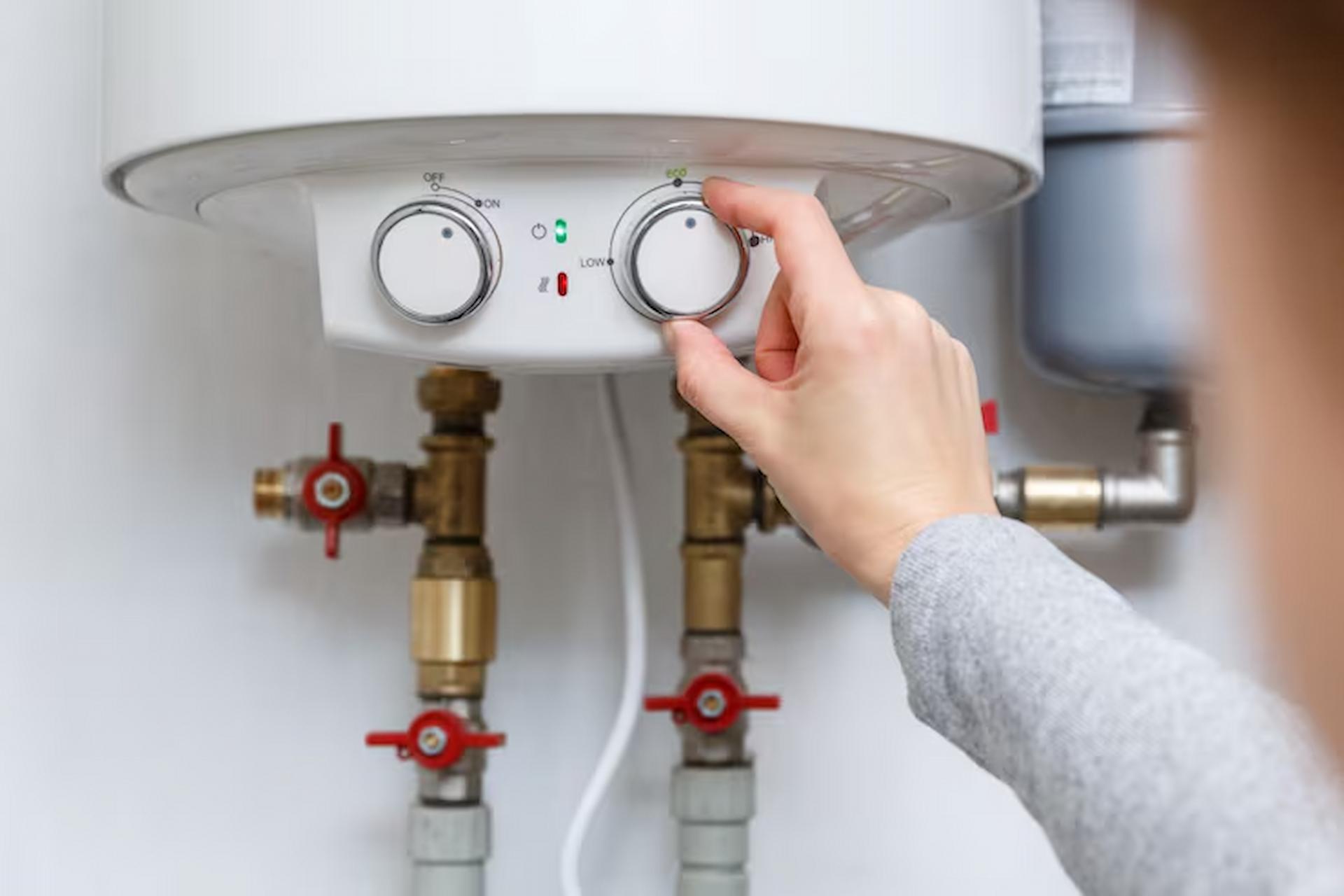
Upgrading your home’s water heating system is a significant decision that affects comfort, energy use, and long-term costs. Whether you are replacing an outdated unit or installing one for the first time, understanding the key factors beforehand can help you avoid unnecessary expenses and performance issues.
This guide breaks down the essential considerations every homeowner should evaluate before starting a water heater installation. From choosing the right type to understanding efficiency ratings, each point will help you make a confident and informed decision.
1. Choose the Right Type of Water Heater
Not all water heaters are built the same. The two most common options are storage tank systems and tankless (on-demand) units.
Storage tank heaters are more affordable upfront and easier to install, making them a popular choice for many households considering a new water heater installation. However, they continuously heat water, which can increase energy consumption. Tankless systems, on the other hand, heat water only when needed, offering improved energy efficiency and a continuous supply of hot water.
Your choice should depend on your household size, usage patterns, and budget. Larger families often benefit from tank systems, while smaller households may prefer the efficiency of tankless models.
2. Understand Your Household’s Hot Water Demand
Before selecting a unit, calculate how much hot water your household uses daily. Consider factors such as the number of occupants, the number of bathrooms, and appliances like washing machines and dishwashers.
A unit that is too small will struggle to meet demand, leading to inconsistent water temperature. Conversely, an oversized system may waste energy and increase utility bills. Matching capacity to usage ensures both comfort and efficiency.
3. Check Energy Efficiency Ratings
Energy efficiency is a critical factor that directly impacts long-term costs. Look for units with high energy factor (EF) ratings or Energy Star certifications.
Modern water heaters are designed to consume less power while maintaining performance. Although high-efficiency models may cost more initially, they often result in lower monthly energy bills over time. This makes them a practical investment for homeowners focused on sustainability and savings.
4. Evaluate Installation Space and Requirements
The available space in your home plays a major role in determining the type of water heater you can install.
Tank systems require more floor space, typically in a utility room, basement, or garage. Tankless units are compact and can be wall-mounted, making them ideal for smaller homes or apartments. Additionally, ventilation requirements and access to power or gas lines must be considered before installation.
Planning for proper placement helps ensure safe operation and easy maintenance in the future.
5. Consider the Fuel Source
Water heaters can run on electricity, natural gas, propane, or even solar energy. Each fuel type has its own advantages and limitations.
- Electric heaters are easy to install and widely available
- Gas heaters often heat water faster and may be more cost-effective
- Solar systems offer long-term energy savings but require a higher upfront investment
Choosing the right fuel source depends on availability, installation costs, and your energy preferences.
6. Factor in Installation Costs
The total cost of installing a water heater goes beyond the price of the unit itself. Labour, plumbing adjustments, electrical work, and permits can all add to the final expense.
For example, switching from a tank system to a tankless unit may require upgrades to your home’s electrical system or gas lines. Understanding these costs upfront helps you budget more accurately and avoid surprises during installation.
7. Check Local Building Codes and Regulations
Every region has specific building codes and safety regulations for water heater installations. These may include requirements for ventilation, pressure relief valves, and seismic restraints.
Hiring a qualified professional ensures that your system complies with local regulations and operates safely. Non-compliance can lead to fines, safety hazards, or issues during property resale.
8. Think About Maintenance Requirements
Regular maintenance is essential to keep your water heater functioning efficiently and to extend its lifespan.
Tank systems require periodic flushing to remove sediment buildup, while tankless systems may need descaling to prevent mineral accumulation. Understanding maintenance needs beforehand allows you to plan for ongoing care and avoid costly repairs.
9. Consider Lifespan and Warranty
Different types of water heaters come with varying lifespans. Traditional tank heaters typically last 8–12 years, while tankless models can last up to 20 years with proper maintenance.
A strong warranty provides added peace of mind and reflects the manufacturer’s confidence in the product. Always review warranty terms carefully to understand what is covered and for how long.
10. Hire a Qualified Professional
While some homeowners may consider DIY installation, water heater setup involves complex plumbing, electrical, and safety considerations.
A licensed professional ensures proper installation, compliance with safety standards, and optimal system performance. This reduces the risk of leaks, inefficiency, or damage to your home.
Conclusion
Installing a new water heater is more than just a routine upgrade—it is a long-term investment in your home’s comfort and efficiency. By carefully evaluating factors such as system type, energy efficiency, installation requirements, and maintenance needs, you can choose a solution that aligns with your household’s demands.